Engineered for robotics, gearboxes, automated cobots, and harsh operational environments. Built to deliver complete physical malware isolation, anti-static safety, flame retardancy, and heavy-duty mechanical defense.
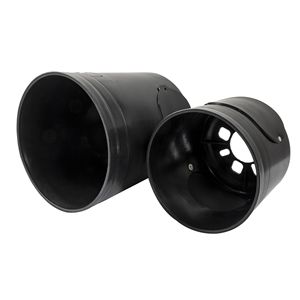
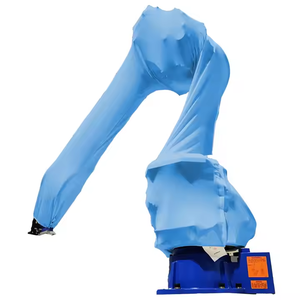
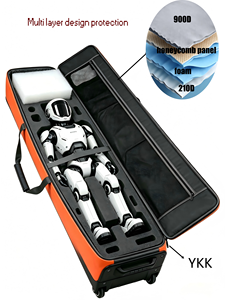
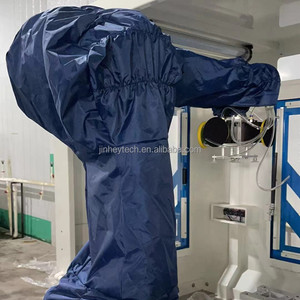
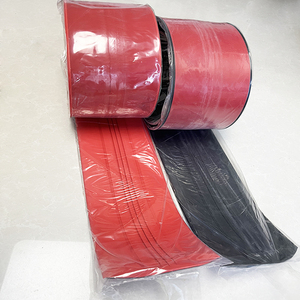
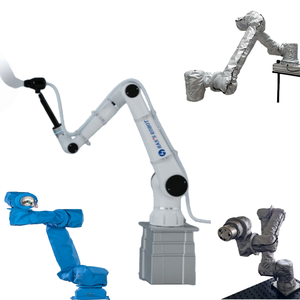
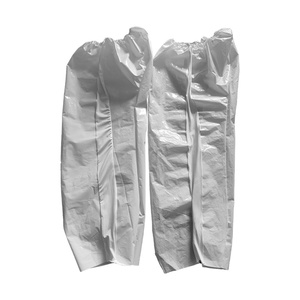
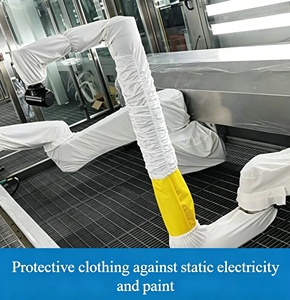
Analyzing physical access malware insertion, environmental degradation vector defense, and electromagnetic hardware shielding for high-precision cobots and agricultural machinery.
In modern automated smart factories, agricultural ecosystems, and high-precision processing facilities, the threat landscape has evolved far beyond traditional software firewalls. Advanced industrial espionage and rogue cyber-physical disruptions increasingly target physical hardware interfaces. Unauthorized physical tampering, rogue USB key insertion, hardware-level keyloggers, electro-magnetic pulse (EMP) interference, and conductive environmental dust represent significant threat vectors capable of introducing hardware malware into cobots and industrial gearboxes.
As a global leader recognized among the top trusted malware protection suppliers and exporters, our manufacturing methodology integrates high-density physical enclosure engineering with smart material barriers. By physical isolation of control ports, joint interfaces, and internal electronics, our bespoke protection suits prevent direct physical malware injection while insulating sensitive industrial robotics (KUKA, ABB, Kawasaki, Universal Robots, JAKA, Fanuc) from thermal stress, static charge, moisture ingress, and corrosive airborne particulates.
Our proprietary Zero-Trust Physical Enclosure Architecture guarantees that external access points are fully shielded behind multi-layered Kevlar, anti-static synthetic composites, and liquid-impermeable neoprene matrices. This creates a dual-layer defense mechanism:
| Protection Vector | Standard Commercial Covers | Our Enterprise Anti-Malware Industrial Suits | B2B Operational Advantage |
|---|---|---|---|
| Hardware Port Security | Exposed zipping / open flaps | Sealed Anti-Tamper Lockable Access Ports | Prevents physical USB payload injection & rogue maintenance access |
| Static Neutralization (ESD) | Basic surface coating | Continuous Conductive Grid (106 - 109 Ω) | Eliminates memory bit-flips and sensor corruption caused by static build-up |
| Thermal Deflection Rate | Up to 120°C ambient | Up to 550°C Continuous (Flame Retardant Glass-Satin) | Maintains internal CPU temperature stability in automotive welding cells |
| Ingress Protection Grade | IP54 water splash resistance | IP67 Waterproof, Oilproof, Micro-Dust Sealed | Blocks corrosive liquid ingress that damages control board traces |
| Mechanical Tensile Strength | Standard nylon fabric | Kevlar-Reinforced Double-Stitched Neoprene | Resists abrasive wear from industrial grit, rocks, and equipment shear forces |
Combining time-tested Sialkot precision manufacturing tradition with ISO 9001:2015 certified quality management systems to supply 20+ global export markets.
Every protective cover batch undergoes standardized tension testing, seam integrity inspection, and thermal resilience audits. We maintain full traceability from raw material lot selection to final export shipment.
We work directly from 3D CAD step files of KUKA, ABB, Fanuc, and Universal Robots cobot arms. Our pattern engineers design tailored 3D skeletons ensuring full articulated range-of-motion without fabric binding.
Under the stewardship of Lucky Seven Industries, our facility combines hand-honed detail inspection with high-precision textile technology, yielding durable, long-life industrial protective garments built for continuous operation.
None of our raw synthetic polymers or elastomer treatments involve animal testing. Our manufacturing system implements closed-loop scrap recycling, minimizing landfill waste while lowering procurement unit costs.
Our international B2B export team delivers comprehensive quotation dossiers, MOQ confirmations, custom branding specs, and sample lead times within 24 business hours to buyers across North America, EU, and Asia-Pacific.
Key technological shifts enterprise procurement officers must anticipate when sourcing hardware security barriers and protective covers for automated infrastructure over the next decade.
Next-generation protective suits will incorporate conductive micro-filaments capable of detecting unauthorized physical breaches, cut attempts, or zip access. Upon detection, embedded smart sensors send instantaneous signals to the central Security Operations Center (SOC) to isolate the affected robot arm prior to physical malware injection.
Procurement is rapidly shifting toward standardized modular jackets that allow maintenance crews to swap worn sections without removing the entire suit. In food manufacturing and pharmaceutical cobot cells, antimicrobial and water-repellent nanocoatings ensure quick CIP (Clean-In-Place) sanitation cycles.
With the rise of high-frequency 5G automated guided vehicles (AGVs) and cobot welding cells, procurement specifications increasingly require unified fabric solutions that combine EMI shielding (blocking electromagnetic attack vectors) with high thermal rating (up to 600°C resistance to molten metal spatter).
How technical textile innovations and ergonomic skeleton design are reshaping asset longevity and physical cybersecurity in automated production facilities.
Historically, industrial covers served solely as dust shrouds. Modern industrial engineering treats robot jackets as active physical firewalls. By combining non-conductive Kevlar weave, fluorocarbon oil-repellent finishes, and sealed maintenance zippers, manufacturers prevent external intrusion while protecting multi-axis servo joints from abrasive workplace particles that cause micro-fissures and mechanical drift.
A primary friction point in cobot adoption is sleeve torque resistance—where rigid traditional fabrics exert feedback forces on sensitive torque-vector sensors in cobot arms (e.g., Universal Robots UR10e or JAKA Zu series), triggering false emergency collision stops. Advanced development utilizes accordion expansion joints and multi-panel elastomer gussets to provide 360-degree freedom of movement without introducing mechanical friction.
Optimal for agricultural shear bot gearboxes, marine keel protection, and heavy chemical immersion environments requiring high tear resistance.
Reflects 90% of radiant heat in automotive die-casting and foundry operations, protecting internal payload cables from thermal degradation.
FDA-compliant coatings for food processing cobots, resisting harsh caustic soda cleaning cycles while keeping processing lines sterile.
Detailed engineering, manufacturing, OEM customization, and export logistics answers to support your sourcing evaluation process.
Physical protective jackets isolate vulnerable maintenance ports (Ethernet, USB, serial service jacks) and onboard microcontrollers from unauthorized physical access, rogue hardware keyloggers, and malicious maintenance payloads. Furthermore, our anti-static ESD thread matrix prevents high-voltage static discharges that can corrupt EEPROM firmware memory and introduce logic errors into operational control loops.
Yes. We engineer tailor-made skeleton designs tailored precisely to 3D CAD dimensions for all major industrial robotics and cobot manufacturers, including KUKA, ABB, Kawasaki, Fanuc, Universal Robots, JAKA, HANS, HUAYAN, and KINOVA. Our patterns ensure zero restriction of joint articulation and maintain full range-of-motion.
We combine high-grade glass fiber satin weaves, Kevlar thread, aluminized ceramic surface coatings, and continuous carbon-filament anti-static grids. This enables continuous operation in temperatures up to 550°C while maintaining electrical surface resistance within the safe 106 - 109 Ohm ESD range.
For catalog SKUs, initial trial MOQs start as low as 10 units. Custom private label OEM prototype samples are engineered, crafted, and dispatched for client approval within 5 to 7 business days following 3D CAD specification sign-off.
Yes. Our manufacturing infrastructure operates under a certified ISO 9001:2015 Quality Management System. Each protective cover batch undergoes 100% manual inspection for seam tensile strength, edge alignment, zipper durability, and ingress liquid impermeability prior to export packaging.
Absolutely. We provide comprehensive private label options including screen-printed corporate logos, permanent laser-etched identification tags, custom colorways, and retail/industrial export packaging tailored to your brand's market requirements.
Our heavy-duty keel guards utilize ultra-high-molecular-weight polymer matrices combined with shock-absorbing elastomer layers. They bond securely to fiberglass and inflatable hulls, protecting against severe abrasive wear caused by sand, concrete launching ramps, rocks, and oyster beds.
We regularly supply importers, distributors, and factory automation integrators across 20+ countries in North America, Europe, the Middle East, and Asia-Pacific. To receive a complete price quote, lead time schedule, and specification sheet, click our live chat button to contact our export team within 1 business day.
Consult with our senior pattern engineers and export specialists to design, prototype, and manufacture custom high-durability protection systems tailored to your facility's exact requirements.