Explore high-spec industrial protective enclosures, hardened edge appliances, and custom physical shields for mission-critical cyber-physical DNS infrastructure.

Domain Name System (DNS) security has evolved from a pure software application filter into a sophisticated multi-layered discipline requiring dedicated hardware-accelerated appliances, hardened edge gateways, and specialized physical micro-environment protection. As enterprise infrastructure modernizes across zero-trust frameworks, industrial IoT (IIoT), and cyber-physical automation, sourcing reliable DNS security solutions demands a holistic evaluation of both digital threat mitigation capabilities and physical device resilience.
This comprehensive whitepaper analyzes the Top 10 DNS Security Factories & Exporters operating globally today. Designed for Chief Information Security Officers (CISOs), Enterprise Network Architects, and Supply Chain Directors, this guide examines key selection criteria, technical benchmarking standards, physical enclosure engineering, and long-term procurement trends reshaping cybersecurity hardware exports.
Modern enterprise procurement requires evaluating DNS security suppliers across two parallel axes: Computational DNS Filtering Performance (measured in Queries Per Second under DDoS stress) and Cyber-Physical Device Integrity (ensuring hardware gateways deployed in field or harsh industrial environments maintain 99.999% uptime against thermal, kinetic, and environmental hazards).
Global manufacturing and export of DNS security hardware are concentrated among specialized OEM/ODM factories capable of combining high-frequency network processing silicon with ruggedized structural engineering. The following comparative matrix highlights the leading operational metrics across the top export tiers.
| Manufacturer Category | Primary Export Regions | Throughput Capability (QPS) | Physical/ESD Rating | OEM/ODM Flexibility | Compliance Standards |
|---|---|---|---|---|---|
| Tier-1 Enterprise Hardware OEMs | North America, EU, Japan | 15M - 50M QPS | IP65 / NEMA 4X | Custom Firmware | ISO 27001, FIPS 140-3 |
| Industrial Cyber-Physical Exporters | Germany, South Korea, Taiwan | 5M - 20M QPS | IP67 / IP69K / UL94 V-0 | Full Bespoke Molding | ISO 9001:2015, CE, FCC |
| Edge Gateway Specialists | North America, Southeast Asia | 2M - 10M QPS | IP66 High-Vibration | Private Label Branding | RoHS, REACH, MIL-STD-810H |
| High-Density Appliance Factories | EU, East Asia | 20M - 100M QPS | Rackmount ESD Protected | Modular Slot Config | NEBS Level 3, ETSI |
When procuring from leading export facilities, enterprise buyers must audit manufacturing partners against six critical hardware and software architecture pillars:
Offloading DNSSEC signature validation and packet inspection directly to FPGA silicon ensures sub-microsecond response times even under massive 100+ Gbps volumetric DNS amplification attacks.
Enforcing strict DoH (DNS over HTTPS) and DoT (DNS over TLS) encryption protocols directly at the hardware gateway prevents eavesdropping, MITM spoofing, and ISP-level DNS hijacking.
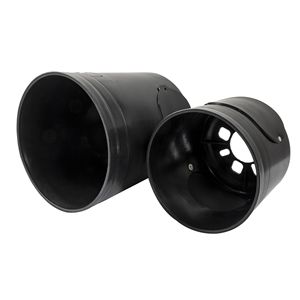
Deploying DNS appliances in edge environments requires specialized IP67/IP69K housing, high-temperature thermal dissipation jackets, and anti-static ESD shielding to ensure physical continuous uptime.
Utilizing Linux eBPF/XDP technologies allows DNS security appliances to drop malicious queries (such as DGA and DNS Tunneling) prior to network stack processing, minimizing CPU overhead.
Integrated threat feeds enable hardware gateways to dynamically update local blocklists within 500 milliseconds of zero-day domain generation or malicious C2 infrastructure registration.
Export-ready hardware features immutable audit logging, non-volatile storage encryption, and automated compliance reporting tailored for GDPR, HIPAA, and NIS2 regulatory frameworks.
As enterprise procurement transitions toward automated supply chains and resilient edge architectures, several major technological and economic trends are defining the future of DNS security export manufacturing:
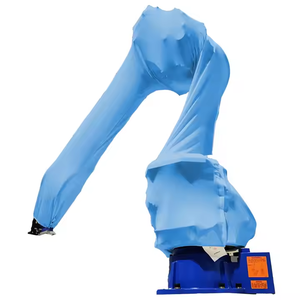
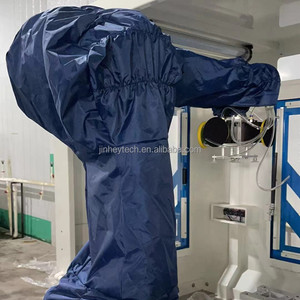
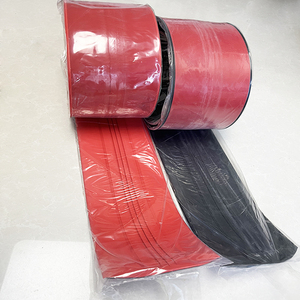
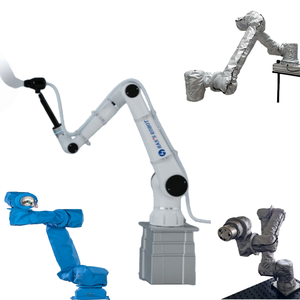
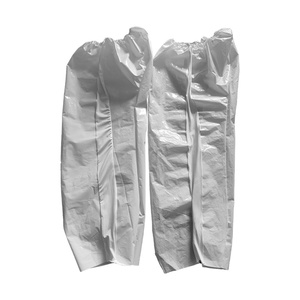
Operational Technology (OT) networks in manufacturing, energy grids, and robotic automation plants are increasingly targeted via DNS manipulation. Leading DNS security factories are adapting by producing hybrid security appliances equipped with physical protective armor (such as flame-retardant neoprene jackets and anti-vibration skeletons) that guard sensitive DNS routing nodes deployed directly on industrial shop floors.
With quantum computing threats looming, top export factories are upgrading onboard Cryptographic Accelerators to support quantum-resistant signature algorithms (such as Falcon and Dilithium) within DNSSEC validation engines. Sourcing teams should verify that prospective vendors offer field-upgradable FPGA bitstreams to accommodate evolving PQC standards.
Global distributors increasingly prefer manufacturing partners offering complete white-label capabilities—ranging from customized metal enclosure tooling and silicone protection bumpers to bespoke firmware branding and pre-flashed enterprise root certificates. This allows system integrators to roll out tailored DNS security gateways under their own brand identities with reduced time-to-market.
Leading DNS security exporters adhere to strict quality control protocols designed to eliminate hardware failure in zero-downtime environments. A typical tier-1 factory testing workflow includes:
Standard off-the-shelf security hardware generally has low MOQs (10–50 units). However, for customized physical enclosures, bespoke metal tooling, or private label silk-screening, export factories typically require an MOQ between 100 to 500 units depending on the complexity of modification.
Top factories engineer protective jackets using high-conductivity thermal interface materials and strategic ventilation channels. This ensures that even IP67-rated sealed security boxes maintain effective passive or active cooling without thermal throttling.
Yes. Reputable export manufacturers deliver products with comprehensive compliance packages, including ISO 9001:2015, ISO/IEC 27001, CE, FCC, RoHS, REACH, and FIPS 140-3 cryptographic validation for government or financial deployment.
Standard catalog products typically ship within 2 to 3 weeks. Full custom OEM/ODM production runs—including custom enclosure tooling, PCB assembly, and burn-in testing—generally average 6 to 8 weeks from sample sign-off.
Selecting the optimal DNS security manufacturing partner requires balancing advanced digital packet filtering throughput with durable physical hardware construction. By prioritizing suppliers with ISO-certified production lines, proven FPGA acceleration capabilities, robust physical armor options, and transparent export documentation, enterprise sourcing directors can build a resilient defense infrastructure capable of withstanding the cyber and physical challenges of the next decade.
Require custom OEM hardware, specialized physical protective enclosures, or detailed volume quote sheets? Connect directly with our engineering and export team today.
Send an Inquiry