Precision-engineered isolation jackets, environmental suits, and heavy-duty gear protection built for high-hazard industrial automation and harsh agricultural environments.
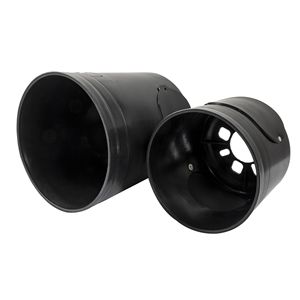
Custom-fitted elastomeric defense armor for agricultural & heavy industrial gear protection under high friction and vibration.
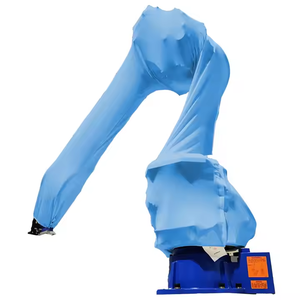
Durable, high-tensile fabric covers designed for dynamic multi-axis movement in automated manufacturing environments.
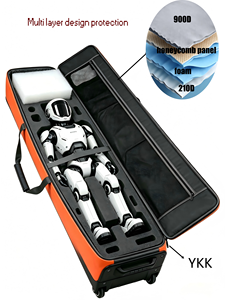
Heavy-duty engineered protective enclosure featuring threat monitoring sensor ports and shockproof lining.
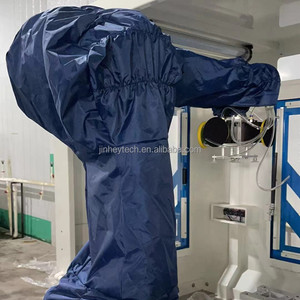
Thermal barrier isolation jacket providing active particulate and electrostatic discharge monitoring compliance.
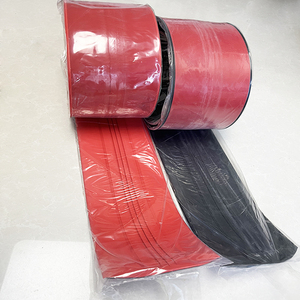
High-impact wear guard safeguarding marine robotics and bottom hulls against sand, rock, and concrete abrasion.
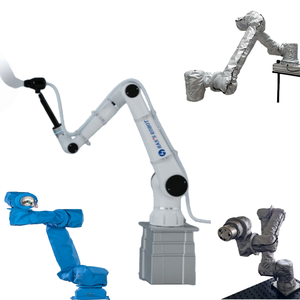
Flexible, ergonomic dynamic skin customized for collaborative robots working in volatile operational zones.
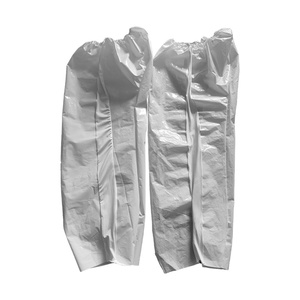
Hygienic dust and water-resistant protective barrier formulated for high-pressure washdown food processing lines.
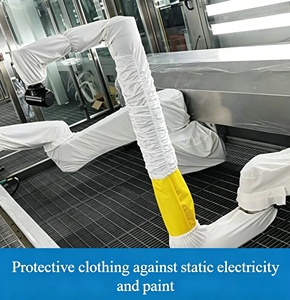
Comprehensive environmental hazard suit shielding robotic mechanisms from oil mist, thermal radiation, and debris.
Combining industrial manufacturing heritage with modern ISO 9001:2015 quality standards to deliver custom equipment protection solutions worldwide.
Every protective enclosure, gearbox shield, and robotic jacket undergoes strict dimensional and environmental validation. Drawing on decades of precision hand-finishing and specialized toolmaking traditions (under parent organization Lucky Seven Industries), our engineers maintain zero-drift quality control from initial CAD modeling to final assembly.
We provide comprehensive turnkey OEM/ODM solutions tailored to international distributors and industrial automation vendors. From laser-etched identification and custom composite coatings to bespoke mounting hardware and retail packaging, your product line is built strictly to your exact engineering brief.
In alignment with our global environmental standards, our manufacturing facilities practice aggressive material reuse and closed-loop scrap reduction. All raw synthetic elastomers, technical textiles, and metallic fasteners are 100% cruelty-free, animal-product-free, and ethically produced.
Understanding the critical role of CE-compliant physical isolation systems in modern cyber-physical smart factories and harsh operational environments.
In modern industrial automation, threat monitoring extends beyond digital perimeter defense to encompass physical isolation and operational environmental security. As robotics and automated guided vehicles (AGVs) operate in volatile conditions—ranging from high-heat welding cells and abrasive metal casting plants to washdown food processing suites—the machinery itself is subject to constant physical wear, thermal stress, chemical degradation, and particulate infiltration.
A robust CE-certified threat monitoring system pairs intelligent sensor suites (vibration, heat, ingress detection) with high-performance physical barriers like custom skeleton robot suits, flame-retardant neoprene gearbox shields, and IP67 toolboxes. Without these physical safeguards, sensitive telemetry sensors fail, resulting in unscheduled downtime, compromised functional safety (ISO 13849-1), and accelerated equipment depreciation.
Deploying equipment within the European Economic Area (EEA) and global Tier-1 manufacturing markets requires strict compliance with international regulatory frameworks:
Comprehensive engineering evaluation for selecting protective enclosures based on environmental hazards and operating requirements.
| Product Category | Primary Material Matrix | Thermal Endurance Range | Ingress / Environmental Rating | Target Application & Threat Safeguard |
|---|---|---|---|---|
| Neoprene Gearbox Shields | Heavy-Duty Elastomeric Neoprene & Kevlar Thread | -40°C to +120°C | IP65 Dust/Splash Proof | Agricultural shear machinery, heavy gearboxes, gravel/mud impact protection. |
| Skeleton Industrial Robot Suits | High-Tensile Polyurethane-Coated Nylon / Cordura | -20°C to +90°C | IP54 Particulate Protection | Dynamic 6-axis articulation protection for KUKA, ABB, and Kawasaki robots. |
| IP67 Equipment Toolboxes | Impact-Resistant Polypropylene Reinforced Alloy | -50°C to +80°C | IP67 Submersible Waterproof | Field telemetry equipment, portable diagnostic threat monitoring sensors. |
| Flame-Retardant Robot Covers | Aluminized Glass Fiber & Anti-Static Meta-Aramid | Up to +550°C Radiated Heat | ATEX Zone 1 & Zone 21 Compliant | Automotive welding cells, foundry pouring lines, explosive paint lines. |
| Universal Cobot Arm Suits | Elasticated Micro-Porous Silicone Elastomer | -15°C to +100°C | IP66 Washdown Resistant | Collaborative robots (UR, JAKA, Kinova) requiring high freedom of motion. |
| Food-Grade Washdown Jackets | PTFE Laminated Food-Safe Composite Fabric | -30°C to +130°C | FDA / EU Food Contact Approved | Meat processing, dairy handling, primary washdown packaging automation. |
Key technological advancements transforming equipment protection from passive covers into active, data-driven security systems.
The next decade will mark a shift from purely mechanical enclosures to smart protective skins embedded with conductive yarn networks and piezoelectric sensors. These fabrics continuously transmit real-time data regarding seam tension, tear occurrence, localized thermal spikes, and chemical exposure directly to factory SCADA systems.
Advanced fluoropolymer coatings infused with micro-encapsulated siloxanes are entering high-volume production. When scratched by airborne metal shrapnel or aggressive debris, the coating automatically seals surface micro-fractures, preventing corrosive liquids from contacting internal robotic servomotors and wiring harnesses.
Global sustainability regulations (such as the EU Corporate Sustainability Due Diligence Directive) are compelling OEMs to adopt fully recyclable thermoplastic elastomers (TPE). Our ongoing material recovery initiatives focus on reclaiming spent protective covers and remanufacturing them into secondary industrial isolation seals.
How procurement leaders can optimize total cost of ownership (TCO) while securing custom-engineered protective equipment.
When sourcing threat monitoring accessories and robotic protective suits, low initial unit prices frequently conceal high long-term operational risks. Substandard stitching or unverified fabric coatings lead to premature failure, requiring frequent maintenance stops and exposing multimillion-dollar robotic equipment to catastrophic contamination.
To streamline your procurement lifecycle and guarantee perfect fitment on specialized machinery (such as custom cobot tooling or agricultural shear bot gearboxes), follow this 4-step sourcing protocol:
Clear, definitive answers to common inquiries from technical buyers, engineers, and international procurement managers.
Our products are manufactured under an ISO 9001:2015 certified quality management system. Depending on your specified application, protective suits can be certified to CE Machinery Directive standards, ATEX Directive 2014/34/EU (anti-static/flame-retardant), and FDA/EU 10/2011 food-contact compliance.
Yes. We offer complete OEM/ODM manufacturing. By providing CAD files (STEP/IGES) or exact joint dimensions, our engineering team designs custom skeleton patterns tailored for any industrial robot, cobot arm (Universal Robots, JAKA, HANS, Kinova), or specialized agricultural gearbox.
Our skeleton designs incorporate pleated bellows and multi-axis joint articulation zones, ensuring 100% full range of motion without increasing motor torque resistance. For high-duty-cycle robots, integrated breathable ventilation flaps or micro-porous thermal exhaust membranes prevent internal heat trapping.
MOQs vary based on customization degree and material specification. Standard catalogue SKUs support small initial trial batches. For custom private-label orders, engineering quotes are confirmed within 1 business day, with physical samples dispatched for customer validation in 5 to 7 working days.
Absolutely. None of our products contain animal-derived components or undergo animal testing at any stage of manufacturing. Additionally, our factory utilizes material reuse programs to minimize textile scrap and lower environmental impact without sacrificing industrial longevity.
We export to over 20 global markets across Europe, North America, Asia-Pacific, and the Middle East. All shipments include full export documentation, Certificate of Origin, ISO conformity reports, and custom commercial invoicing formatted for fast customs clearance.
Connect with our senior engineering team to discuss your threat monitoring requirements, request sample packs, or receive a fast private-label quotation within 24 hours.